A Torn Piece of Paper in Asian Style: A Unique Artistic Expression
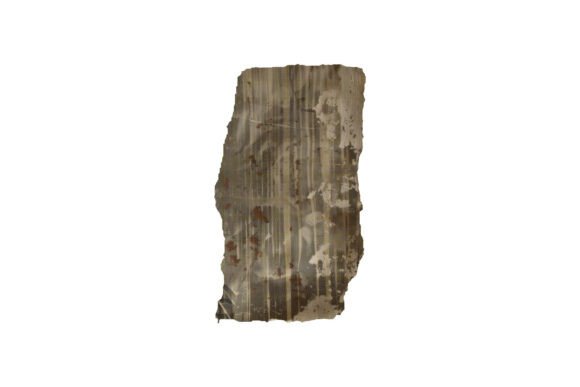
In the world of visual art and design, a torn piece of paper in Asian style stands out as a distinctive form of creative expression. This technique blends traditional aesthetics with modern sensibilities, offering a unique way to convey emotion, narrative, and cultural identity. Unlike mass-produced digital graphics or standard printed materials, a torn piece of paper in Asian style carries an organic, handcrafted quality that resonates deeply with audiences who appreciate authenticity and depth.
The concept is rooted in the rich artistic traditions of East Asia, where paper has long been a medium for storytelling, calligraphy, and symbolism. The act of tearing paper can represent imperfection, transformation, or the passage of time—themes that are central to many Asian philosophies. When this technique is applied to a piece of paper in an Asian style, it becomes more than just a visual element; it becomes a metaphor for human experience.
What Makes a Torn Piece of Paper in Asian Style Distinct?
A torn piece of paper in Asian style is not merely about the physical act of tearing. It involves a thoughtful approach to composition, texture, and meaning. Artists often use handmade paper, which has a natural grain and irregular edges that enhance the visual impact of the tear. This contrasts sharply with the uniformity of machine-made paper, which lacks the same level of character and unpredictability.
Color palettes in this style tend to be subdued and earthy, drawing inspiration from traditional ink wash paintings and calligraphy. Shades of black, white, and muted tones dominate, creating a sense of calm and introspection. The torn edges add a dynamic element, breaking up the monotony and drawing attention to specific areas of the composition.
Another key feature is the integration of symbolic elements. In many Asian cultures, paper is associated with spirituality, memory, and communication. A torn piece of paper might be used to represent a broken promise, a lost opportunity, or a moment of reflection. These meanings are often conveyed through subtle details, such as the angle of the tear or the placement of text.
Comparing A Torn Piece of Paper in Asian Style with Other Options
When considering alternatives to a torn piece of paper in Asian style, it’s important to understand how different formats and approaches serve various purposes. Digital illustrations, for example, offer precision and flexibility but may lack the tactile quality that makes a torn piece of paper so compelling. While digital tools can replicate the appearance of a tear, they often fail to capture the raw, unpolished feel that comes from a physical medium.
Traditional calligraphy or ink paintings also share some similarities with a torn piece of paper in Asian style, but they differ in execution and intent. Calligraphy emphasizes fluidity and control, while a torn piece of paper embraces imperfection and spontaneity. Both forms have their own strengths, but the torn paper approach is more experimental and open to interpretation.
For those seeking a more commercial application, printed materials like posters or packaging might incorporate similar aesthetic elements. However, these often prioritize consistency and scalability over individuality. A torn piece of paper in Asian style is inherently one-of-a-kind, making it ideal for projects that value uniqueness and personal expression.
Strengths and Tradeoffs of A Torn Piece of Paper in Asian Style
One of the greatest strengths of a torn piece of paper in Asian style is its ability to evoke emotion without relying on words. The visual language of the tear and the surrounding elements can communicate complex ideas in a way that is both subtle and powerful. This makes it particularly effective in storytelling, branding, and conceptual art.
Another advantage is its adaptability. Whether used as a standalone artwork, part of a larger installation, or integrated into a design project, a torn piece of paper can be tailored to fit a wide range of contexts. Its versatility allows artists and designers to experiment with different textures, colors, and compositions while maintaining a cohesive theme.
However, there are tradeoffs to consider. The handmade nature of this style can make it more time-consuming and labor-intensive compared to digital alternatives. It also requires a certain level of skill and patience to achieve the desired effect. Additionally, because each piece is unique, there may be inconsistencies when producing multiple versions, which could be a challenge for commercial applications.
Best-Fit Situations for A Torn Piece of Paper in Asian Style
A torn piece of paper in Asian style is most effective in situations where authenticity and emotional resonance are valued. It works well for art exhibitions, cultural projects, and personal creative endeavors that aim to connect with viewers on a deeper level. For instance, a museum display exploring themes of loss or renewal might use this technique to visually represent the idea of fragmentation and healing.
It is also suitable for branding and marketing campaigns that want to emphasize heritage, craftsmanship, or a connection to tradition. Companies looking to differentiate themselves from competitors by offering something unique may find this style appealing. However, it’s important to ensure that the overall brand message aligns with the values represented by the torn paper aesthetic.
In educational settings, a torn piece of paper in Asian style can be used to teach students about cultural symbolism, artistic techniques, and the importance of imperfection. It provides a hands-on way to explore abstract concepts and encourages critical thinking about the relationship between form and meaning.
When Another Option Might Be More Suitable
While a torn piece of paper in Asian style has many advantages, there are scenarios where other approaches may be more appropriate. For example, if the goal is to create a high-volume product with consistent visuals, digital methods would be more efficient. Similarly, if the intended audience prefers a clean, minimalist look, the organic texture of a torn paper might not be the best fit.
Projects that require precise details or technical accuracy may also benefit from alternative formats. A torn piece of paper in Asian style is better suited for conceptual or expressive purposes rather than functional or informational design. In such cases, a more structured approach might yield better results.
Ultimately, the decision depends on the specific goals of the project and the preferences of the target audience. It’s important to evaluate the strengths and limitations of each option before making a choice.
Practical Examples and Use Cases
One practical example of a torn piece of paper in Asian style is its use in independent film posters. Filmmakers aiming to create a nostalgic or melancholic atmosphere might incorporate this technique to reflect the themes of the story. The torn edges and muted colors can enhance the mood, making the poster more memorable and emotionally engaging.
In the realm of fashion, designers have experimented with torn paper motifs in fabric patterns and accessories. These designs often draw on traditional Japanese or Chinese aesthetics, blending historical references with contemporary styles. The result is a unique blend of old and new that appeals to a niche audience looking for something different.
Another example is in the field of interior design, where torn paper art is used as wall decor. This can add a touch of elegance and sophistication to a space while also serving as a conversation starter. The organic nature of the torn paper contrasts beautifully with modern architecture, creating a balanced and visually interesting environment.
Conclusion: Making an Informed Decision
A torn piece of paper in Asian style offers a compelling alternative to more conventional design approaches. Its emphasis on imperfection, symbolism, and cultural heritage makes it a powerful tool for creative expression. However, it is not the right choice for every project or audience.
By understanding the strengths, tradeoffs, and best-fit situations of this style, readers can make more informed decisions about whether it aligns with their goals. Whether used in art, design, education, or marketing, a torn piece of paper in Asian style has the potential to leave a lasting impression when thoughtfully applied.