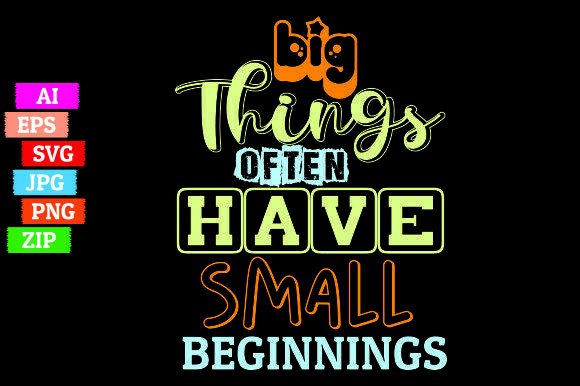
Big Things Often Have Small Beginnings
Every great idea starts with a single step. The phrase "Big Things Often Have Small Beginnings" captures the essence of growth, innovation, and transformation. It reminds us that even the most impactful projects, businesses, or creative works begin as simple concepts. This mindset is especially powerful for creators, designers, and entrepreneurs looking to make a lasting impression.
For those in the print-on-demand industry, this concept translates into meaningful design opportunities. A single, well-crafted design can become the foundation of a successful product line, brand identity, or marketing campaign. Whether you're designing for t-shirts, mugs, or other merchandise, starting with a strong visual idea sets the stage for broader success.
Why This Design Stands Out
The "Big Things Often Have Small Beginnings" design is more than just a slogan—it's a statement. It speaks to the journey of creation, the value of patience, and the power of small actions leading to big results. This makes it an ideal choice for a wide range of audiences, from students and professionals to artists and business owners.
What makes this design particularly useful is its versatility. It can be adapted to different styles, color schemes, and formats, making it suitable for various platforms and audiences. Whether you're targeting a professional setting, a creative community, or a general consumer base, the core message remains relevant and engaging.
Creative Applications and Ideas
One of the best aspects of this design is how it can be interpreted in different ways. For example:
- Minimalist Approach: Use a clean, simple layout with bold typography and a subtle background. This style works well for modern, professional settings or eco-friendly brands.
- Abstract Interpretation: Incorporate shapes, lines, or symbols that represent growth, like a seed turning into a tree. This adds a visual narrative to the message.
- Text-Based Designs: Focus on the words themselves, using different fonts, sizes, and colors to create a dynamic look. This is perfect for social media posts, blog headers, or promotional materials.
By experimenting with these variations, you can tailor the design to fit specific themes, industries, or customer preferences. The key is to maintain clarity while allowing room for creativity.
How Different Users Can Adapt the Design
The beauty of this design lies in its adaptability. Here are a few examples of how different users might leverage it:
- Entrepreneurs: Use the design as part of a branding strategy. Pair it with a logo or tagline to create a cohesive visual identity for a new business or product launch.
- Designers: Incorporate it into a collection of motivational or inspirational artwork. Offer it as a downloadable file or print-on-demand product for others to use.
- Marketers: Feature it in campaigns that emphasize growth, perseverance, or innovation. It can be used in email newsletters, social media content, or advertising visuals.
- Educators: Share it as a teaching tool to inspire students about the value of small steps and long-term goals. It can be part of a lesson on creativity, entrepreneurship, or personal development.
Each of these applications highlights the design’s flexibility and relevance across different contexts and industries.
Practical Tips for Using the Design
To get the most out of this design, consider the following practical tips:
- Keep It Clear: Ensure the text is easy to read, even when scaled down. Avoid overcrowding the design with too many elements.
- Use High-Quality Files: Take advantage of the provided editable AI, SVG, EPS, and PNG files to maintain quality across different formats and platforms.
- Experiment with Colors: Test different color combinations to see what works best for your target audience. Dark backgrounds with light text often stand out, but brighter options can add energy and vibrancy.
- Consider the Audience: Tailor the tone and style of the design to match the preferences of your customers. A more professional audience may prefer a minimalist approach, while a younger demographic might enjoy bold, eye-catching visuals.
By focusing on clarity, quality, and audience needs, you can ensure that the design resonates effectively and drives engagement.
Realistic Examples and Inspiration
Here are a few realistic examples of how the "Big Things Often Have Small Beginnings" design can be used:
- Print-On-Demand T-Shirts: Print the design on high-quality cotton shirts for a versatile, wearable piece of art. It can be sold as a standalone item or as part of a themed collection.
- Social Media Graphics: Use the design as a background for Instagram posts, Facebook banners, or YouTube thumbnails. It adds a professional touch and reinforces your brand’s message.
- Wall Art and Decor: Turn the design into a poster or framed print for home or office spaces. It serves as both a decorative element and a motivational reminder.
- Merchandise Lineups: Expand the design into mugs, tote bags, and phone cases. This creates a consistent visual theme across multiple products, increasing brand recognition.
These examples show how the design can be integrated into various formats and platforms, making it a valuable asset for any creative project.
Final Thoughts
Starting small doesn’t mean limiting your potential. In fact, it often opens the door to greater possibilities. The "Big Things Often Have Small Beginnings" design is a perfect example of how a simple idea can evolve into something meaningful and impactful.
Whether you're a designer, entrepreneur, or hobbyist, this design offers a foundation for creativity, growth, and success. By embracing the power of small beginnings, you can build something truly remarkable.